

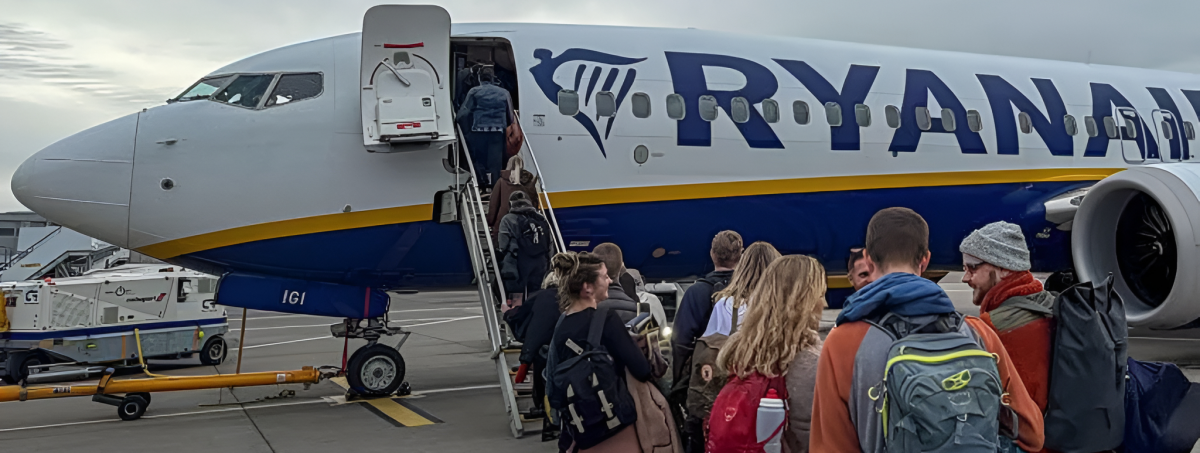
Ryanair has announced it will no longer accept printed boarding passes, shifting entirely to digital formats from Wednesday. The move affects the airline’s 206 million annual passengers, 90% of whom already use online check-in and mobile boarding passes.
The transition to digital boarding passes is designed to accelerate airport processes, reduce operational costs, and support environmental sustainability. Passengers must now check in online prior to arriving at airports. Those unable to access their boarding pass digitally at the airport will still receive assistance free of charge, a change from the previous £20 (€23) fee.
Passengers who fail to check in online may incur airport check-in fees of up to £55 (€63). The new process applies across Ryanair’s network, with the exception of Morocco, where paper boarding passes remain mandatory. Check-in desks at airports will remain operational to accommodate travellers who need support.
Consumer groups have raised concerns about accessibility. Ofcom reports that 5% of the UK population lacks internet access, including mobile connectivity, highlighting potential challenges for older or digitally excluded passengers. Age UK emphasised the need for alternatives to ensure travellers without smartphones can still access flights.
Passengers expressed mixed reactions to the digital-only system. While the airline promotes efficiency and cost savings, some travellers, particularly older adults, have found the change disruptive, citing longer processing times and difficulties navigating mobile check-in in foreign countries.
Ryanair positions the shift as an operational improvement designed to streamline workflows, reduce paper usage, and maintain service quality across its European network. The move reinforces the airline’s strategy to integrate technology into its customer journey, increasing overall efficiency while targeting cost reductions.
Discover how Ryanair’s digital boarding move is reshaping passenger experience across Europe in the full story.








.png)

